Strip feeding
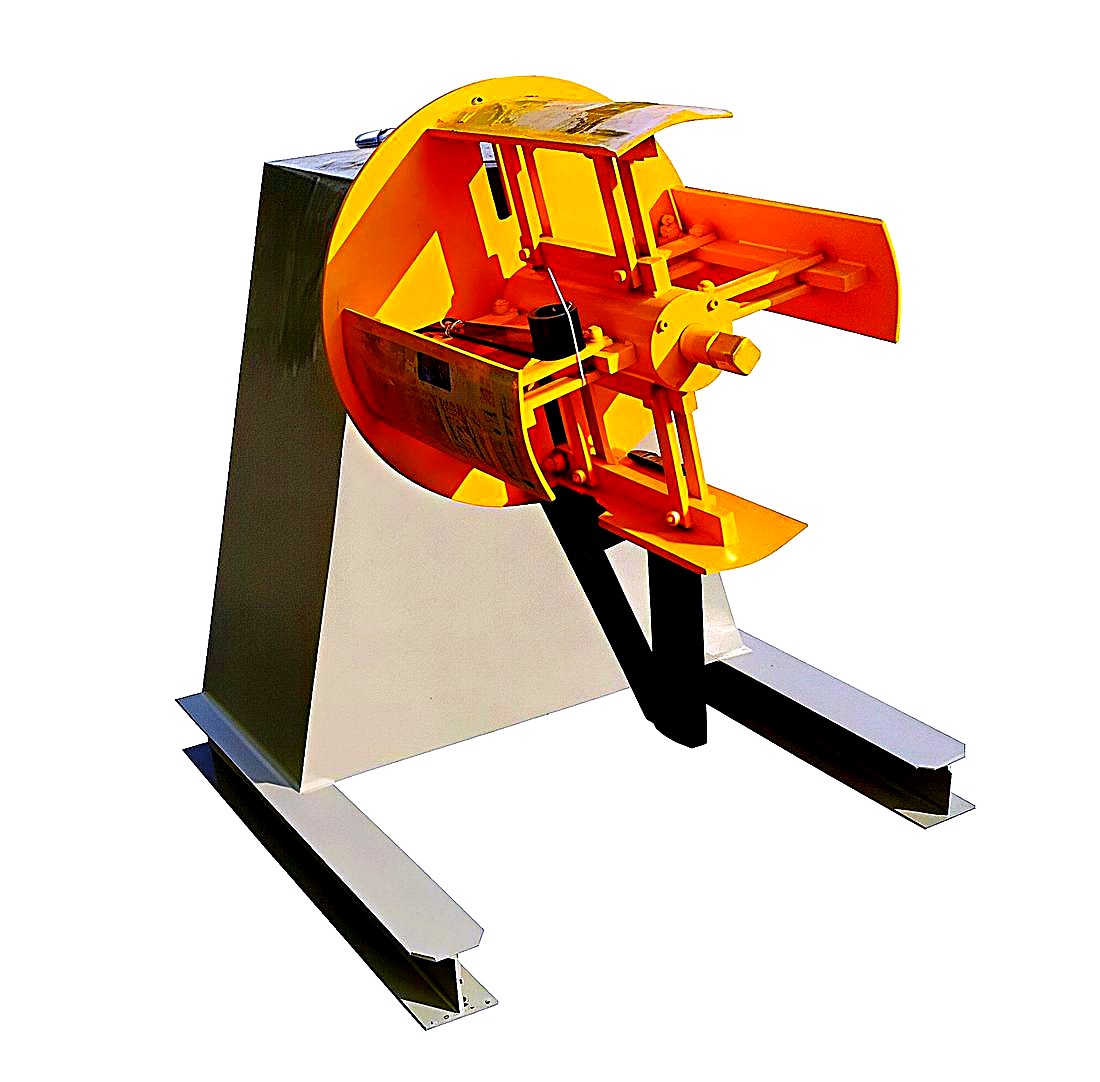
Guides line the coiled strip up for steady, continuous delivery.
Cold-rolls coiled steel strip into precise steel-edge profiles for plywood box frames, with encoder length control and touchscreen operation.
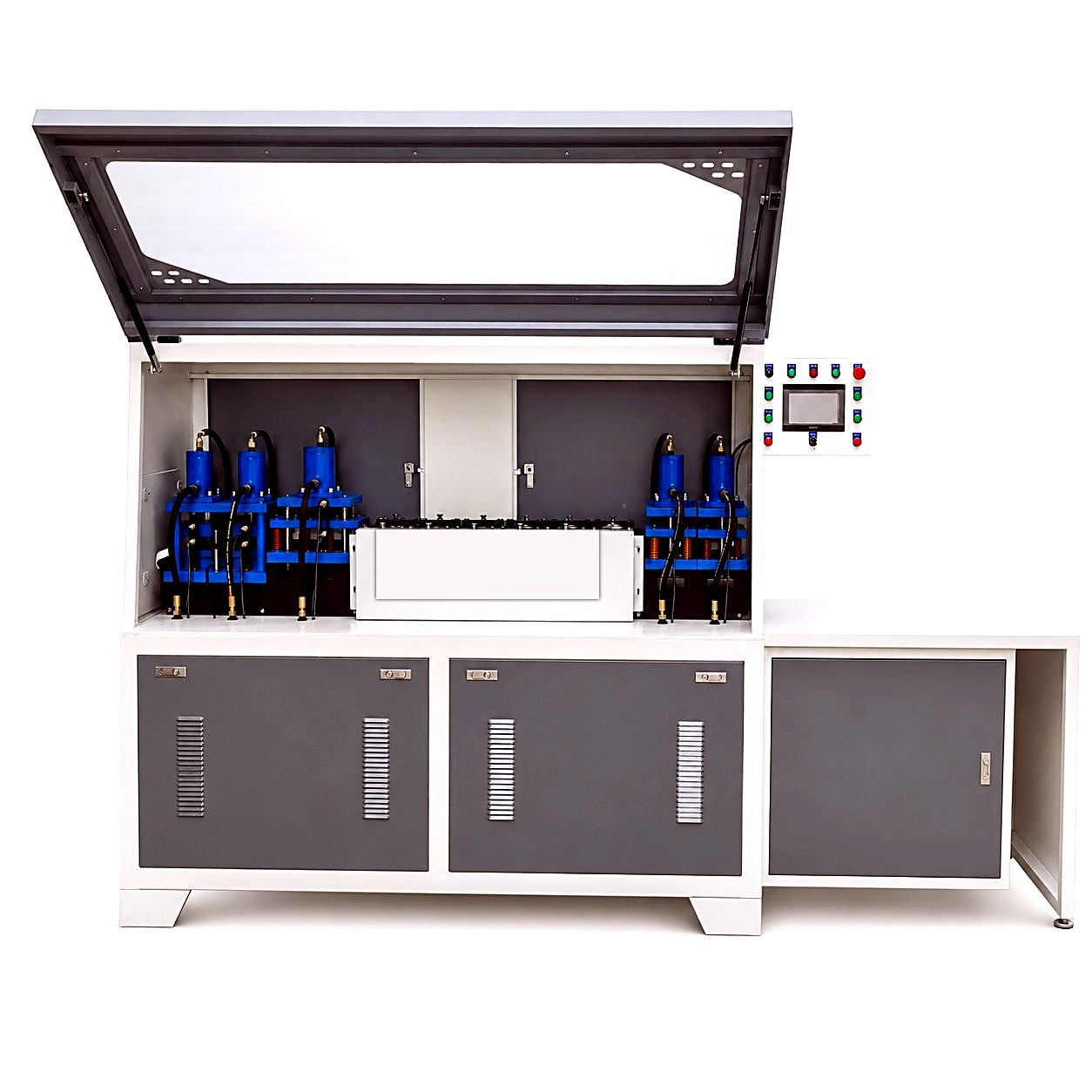
The GA-8000 cold-rolls coiled steel strip into the edge profiles that frame and strengthen nailless plywood boxes. Multi-stage rollers turn out smooth, even profiles, an Omron PLC with Inovance servo drive keeps feeding and forming in step, and the encoder measures each profile and cuts it to the preset length on its own. Modular tooling lets the machine switch between profiles with quick changeovers. An automatic steel strip decoiler comes as standard, and a dual-output configuration is available for two strip profiles from one machine.
Multi-stage rollers turn out smooth, even profiles
Synchronized servo feeding supports stable continuous output
Modular tooling switches between profiles with quick changeover
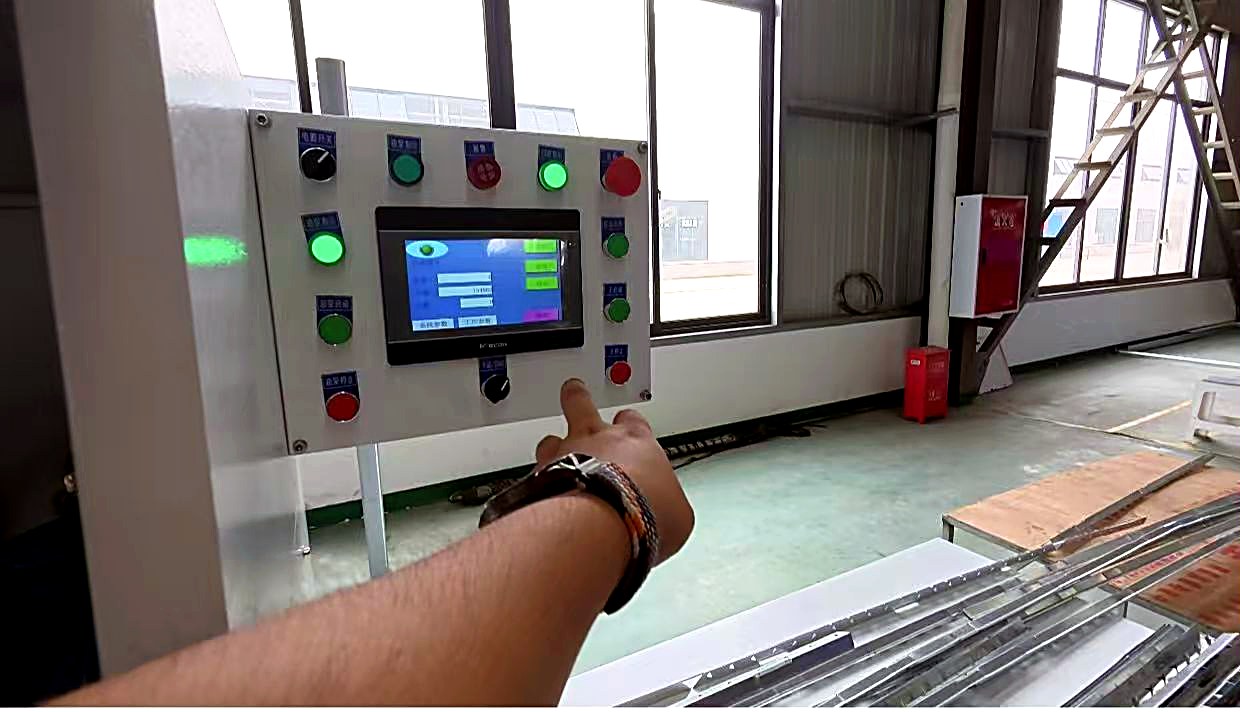
Touchscreen control with visual settings and fault prompts
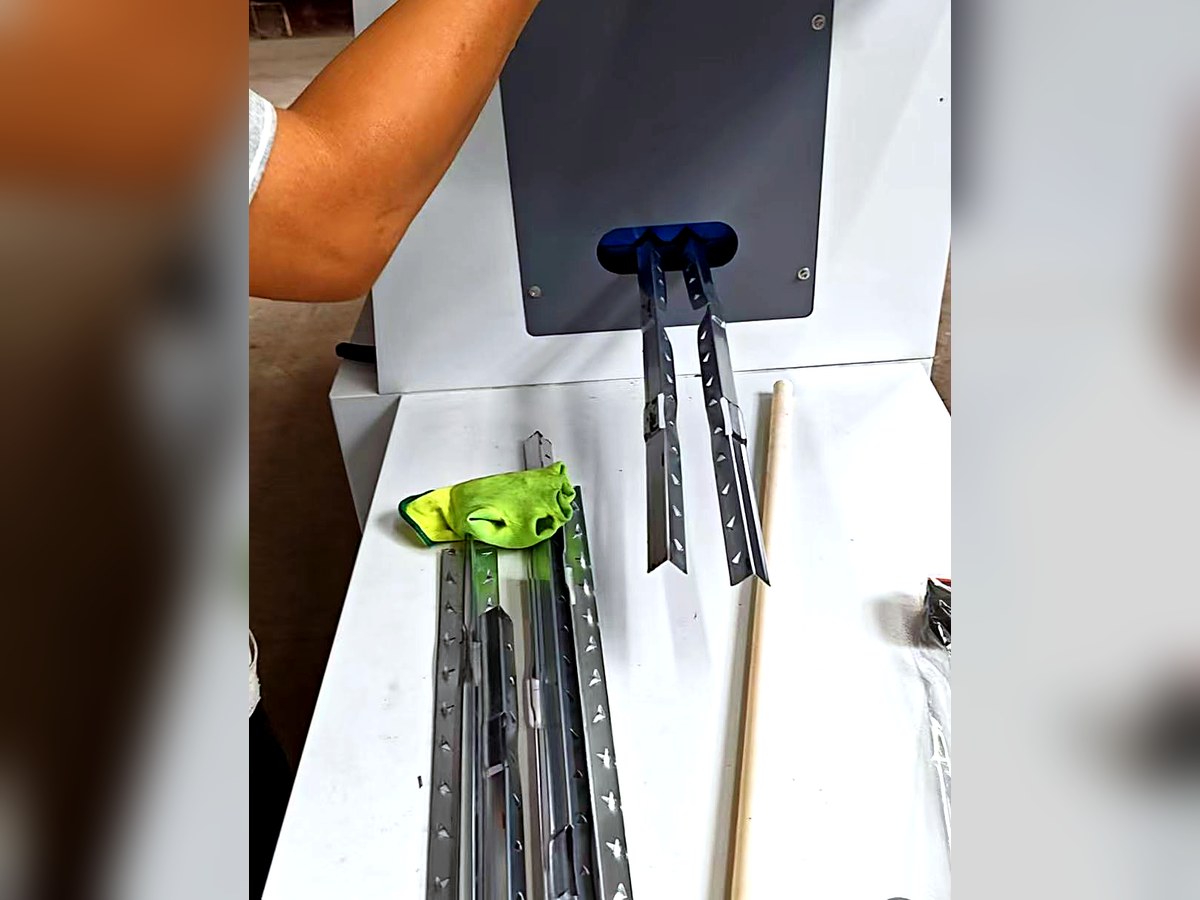
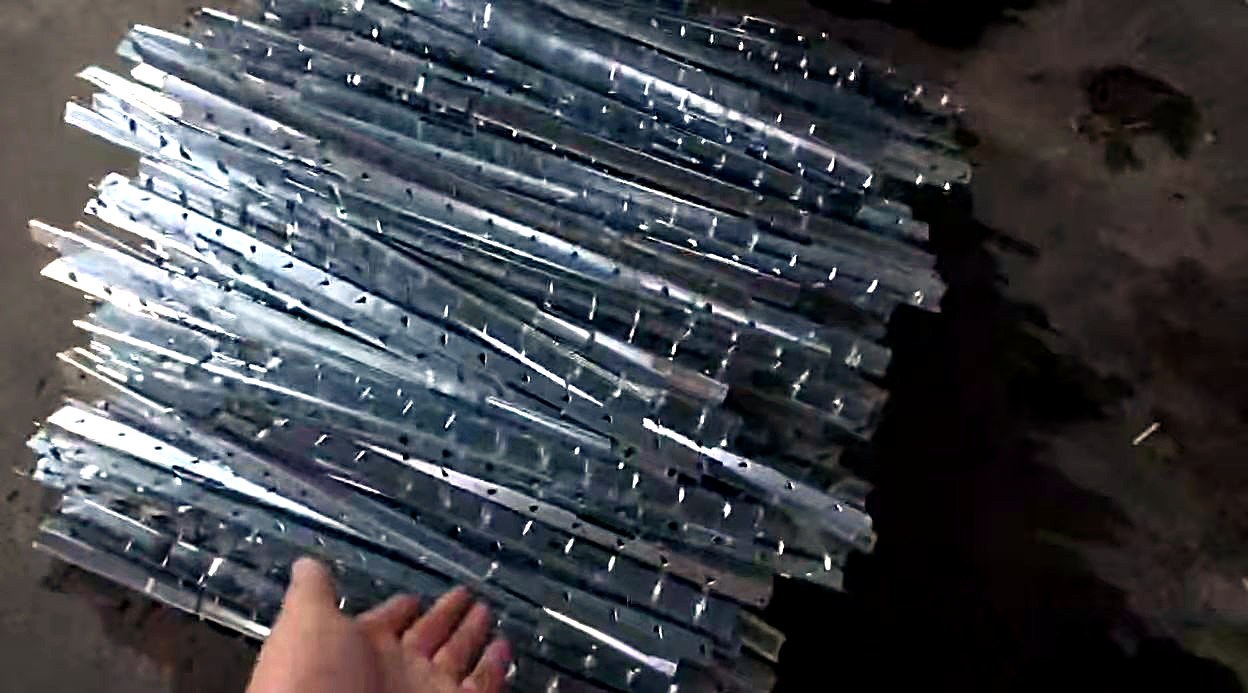
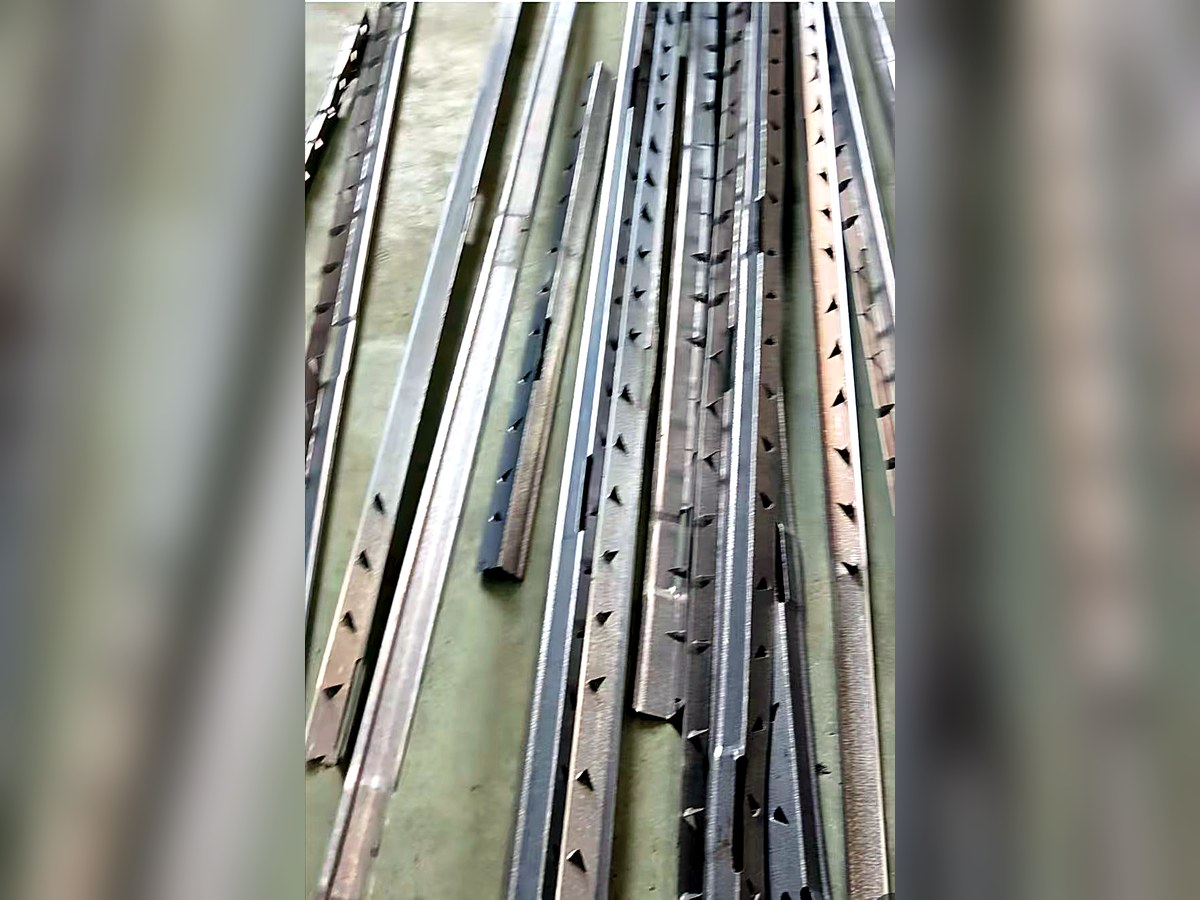
Steel-edge profiles for plywood boxes
Box frame reinforcement strips
Collapsible box connecting strips
Custom roll-formed steel components
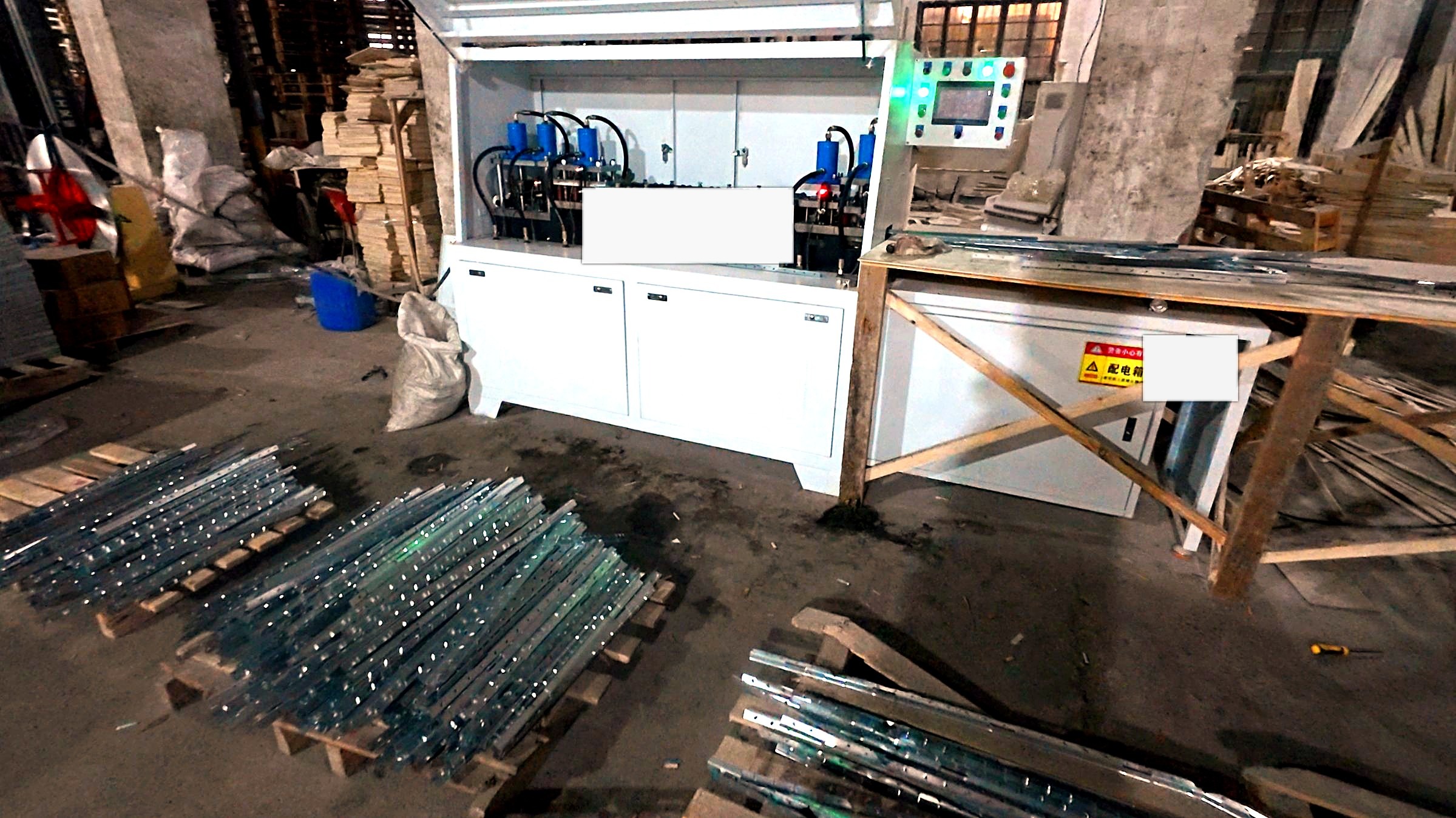
Standard configuration data. Machines are configured to order — contact us for values matched to your product.
| Model | GA-8000 (high speed) |
|---|---|
| Motor power | 6 kW |
| Control system | PLC + servo drive |
| Machine size (L×W×H) | 3,100 × 800 × 1,600 mm |
| Recommended working area | 5 × 2 m |
The standard configuration of the GA-8000. Alternative brands and upgraded configurations are available on request.
| Control system | PLC control system | Omron, Japan |
|---|---|---|
| Servo drive & motor | Servo system | Inovance |
| Die assembly | High-end guide-sleeve design | |
| Screws | 304 stainless steel | |
| Springs | Precision die springs | Daido, Japan |
| Electrical components | Low-voltage electrics set | CHINT |
| Proximity switches | Position sensing set | Xinling |
| Dust protection | Full dust-proof design with cover | |
| Included accessories | Feeder and feed rack |
Guides line the coiled strip up for steady, continuous delivery.
Several roller stations shape the profile step by step.
The encoder measures the length and triggers the cut at the preset value.
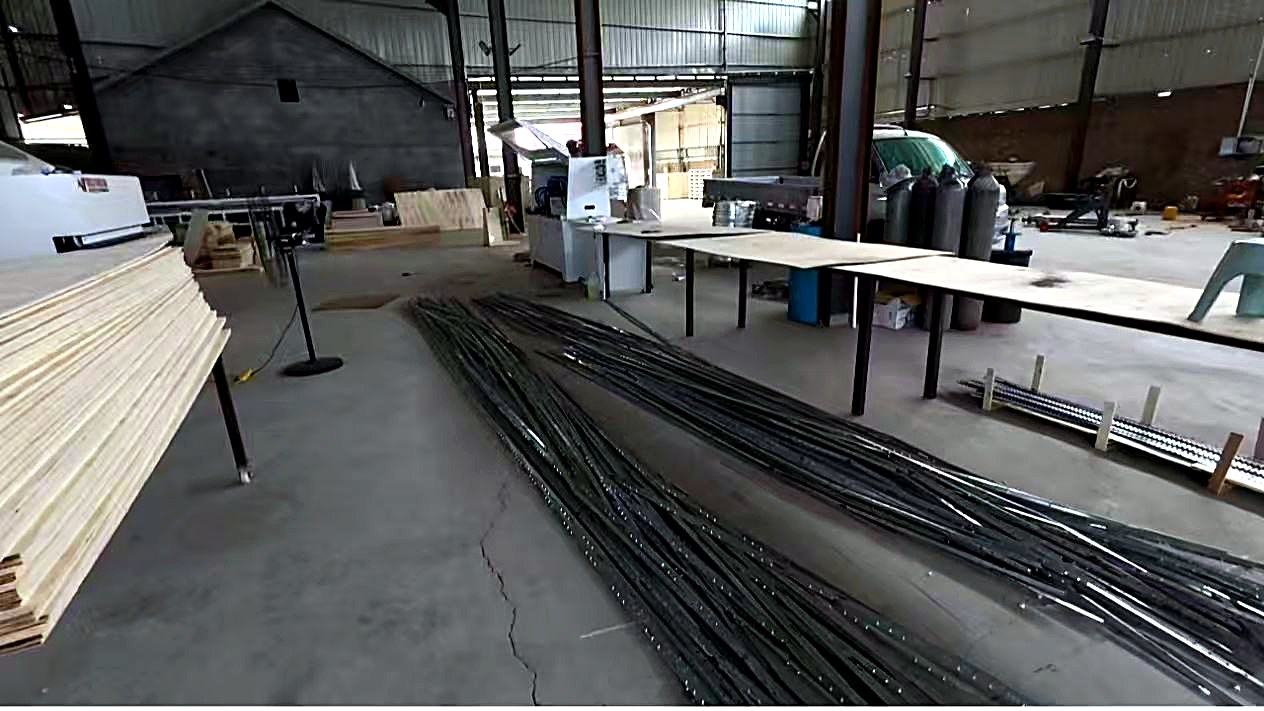
Finished steel edges discharge on their own, ready for pressing downstream.
Look over the guards, chains, bending dies and cutters, and check the e-stop and power supply. Run the machine empty for 1–2 minutes and check that it runs smoothly and quietly.
Hoist the coil onto the feeder rack and fasten it down. Feed the strip through the guide wheels, feed rollers and straightening wheels into the bending die.
Key the edge length into the control panel (e.g. 1200 mm) and check the 40 mm strip width and the 90° bend angle for standard L profiles.
Cut 1–2 trial edges and check: length error within ±1 mm, bend angle 90° ±0.5°, clean cuts without burrs. Adjust feed accuracy, die gap and bend depth until the pieces pass.
Switch to automatic: the machine feeds, cuts to length, bends and discharges on its own. Guide the strip lightly by hand — never reach into the die zone — and stack finished edges neatly.
Stop feeding, run empty for 10 seconds to clear remaining strip, then e-stop and power off. Clear iron filings and oil from the table, dies and rollers, and oil the dies against rust.
Safety: wear cut-resistant gloves and keep hands and head out of the feed opening, bending dies, cutters and chains while the machine runs. Stop immediately on noise, jamming, smoke or leakage — never run a faulty machine.